
About the Event
An AAR Fall Fridays WebinAAR
Hosted by AAR’s Asian North American Religion, Culture & Society Program Unit
Amid escalating political attacks on higher education and growing constraints on academic freedom, scholars of religion and race are faced with pressing questions of academic identity and responsibility in a troubling political climate. As part of the Fall Fridays Scholarship WebinAAR Series, this webinar features four scholars of Asian American religions to examine the intersections of religion, race, and public scholarship in the United States. Participants will reflect on how their research and teaching navigate the shifting boundaries of academic freedom and free speech, institutional commitments and constraints, and the role of academic research and publishing in the current political economy. Together, they will explore new possibilities for engaged and ethical scholarship as well as activism that responds to the moral and political challenges of the present moment.
AAR Fall Fridays is a webinAAR series that will highlight the scholarship coming from our varied AAR program units. This series — part of our larger year-round programming initiative — aims to bring the scholarship of our program units to the wider AAR membership and make it accessible outside of the Annual Meeting. These webinAARs will take place at 12:00 noon ET on Fridays and run from late September up until the in-person Annual Meeting in November.
Event Guidelines
Please note: AAR membership is not required to register for this event. In order to register, you will need to login or create an account if you don’t already have one. Creating an account is free, quick and easy and enables us to let you know about related upcoming events.
For assistance, please view our video walkthrough. You can adjust the playback speed on the video next to the closed caption icon. If you still have questions, please contact us.
Panelists
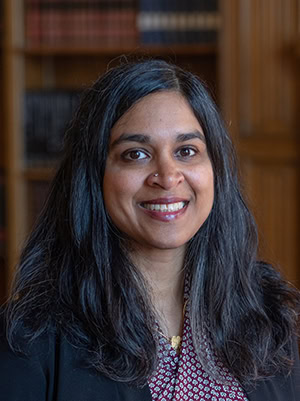 Dheepa Sundaram is scholar of performance, ritual, and digital culture at the University of Denver. Her research examines the formation of Hindu virtual religious publics, online platforms, social media, apps, and emerging technologies such as virtual reality and artificial intelligence. Dr. Sundaram’s current monograph project examines how commercial ritual websites fashion a new, digital canon for Hindu religious praxis, effectively “branding” religious identities through a neoliberal “Vedicizing” of virtual spaces. Her most recent article explores how Instagram helps foster virtual, ethnonationalist, social networks within India, highlighting issues of access/accessibility to religious spaces and the viability and visibility of online counter-narratives, especially those from minoritized/marginalized caste, gender, and class communities.
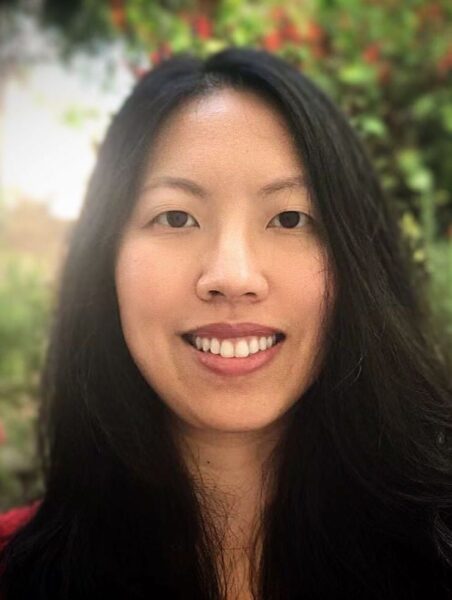 Elaine Lai is Lecturer for Civic, Liberal, and Global Education at Stanford University and has spent over a decade of her life working and studying in Nepal, Hong Kong, India, Taiwan, and China. Elaine is a scholar of Buddhism, trained in the languages of Tibetan, Chinese, and Sanskrit. She specializes in a tradition known as the Great Perfection in Tibet. Elaine’s recent research explores the relationship between Buddhist literature and time, specifically, how form and content interplay to cultivate more compassionate temporal relationalities. Elaine is committed to making the study of Buddhism accessible to a wider audience through technology and the arts.
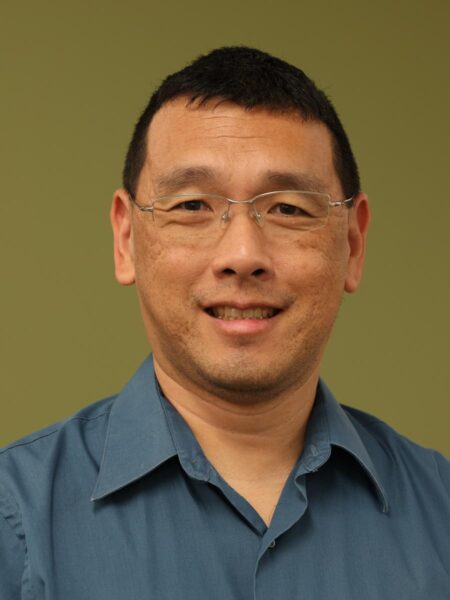 Jerry Park is an associate professor of sociology and an affiliate fellow of the Baylor Institute for Studies of Religion. He has MA and PhD degrees in sociology from the University of Notre Dame. His research interests include the sociological study of religion, race, identity, culture and civic participation. Recent publications have covered topics such as racializing religious measures, religion and inequality attitudes, and Asian-American religiosity. Currently he is involved in major data collection efforts that oversample racial and religious minorities, and his research focuses on minority-serving congregations, racial and religious minorities’ views on white Christian nationalism, Asian American and Korean American identities, perceived racial and religious group threats including anti-Asian discrimination, Islamophobia and anti-Semitism.
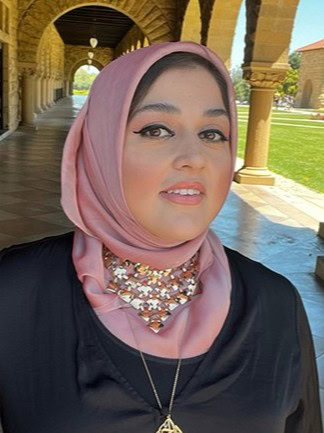 Nura Sediqe is Assistant Professor in the Department of Political Science and a core faculty member in the Muslim Studies Program. She came to MSU after completing her postdoctoral fellowship. at Princeton University. She earned her PhD at Duke University, her Masters in Public Policy at Harvard University’s John F. Kennedy School of Government and her B.A. from the University of Michigan-Ann Arbor. Her academic work specializes in political behavior, race and ethnic politics, Black politics, and gender and politics. Her public policy work focuses on civil rights policy, immigrants and New Americans in American politics, and Afghan refugee resettlement politics.
Moderator
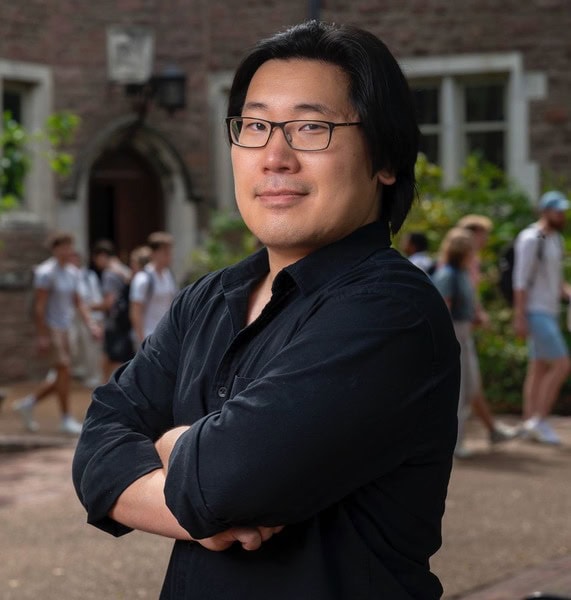 Jesse Lee is a postdoctoral research associate for the John C. Danforth Center on Religion and Politics at Washington University in St. Louis. He earned his PhD in Religion from Florida State University in 2024, specializing in American Religious History. He researches the intersection of religion, race, and American law, especially in the context of Asian American religious history. His first book project explores the legal history of the Buddhist Churches of America, demonstrating how religio-racial minorities utilized the protections and privileges afforded to religion and religious corporations in American law.
Related Events
Event
Education and the Carceral Experience: Teaching and Learning Religious Studies
September 30, 2026