
This is the second in a four-part webinar series organized by the Status of People with Disabilities in the Professions Committee. The first was on “Teaching with Disability” and occurred in May 2025.
In the summer of 2024, the latest guidelines for Universal Design for Learning (UDL) were released. Behold, UDL Guidelines 3.0! In all of the iterations since their creation in 2008, UDL guidelines have been intended to help educators consider and proliferate options for student engagement (the “why” of learning), representation (the “what” of learning), and action & expression (the “how” of learning). This approach benefits not only students with disabilities, but all learners in our diverse classrooms.
Watch the 20-minute recorded presentation to learn more about UDL and some of the important changes that this most recent iteration has introduced.
Then, watch the workshop.
Panelists
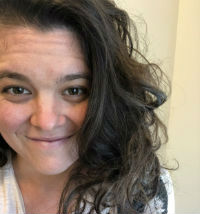 Emily O. Gravett is an associate professor of religion and an assistant director in the Center for Faculty Innovation at James Madison University. She has spent over a decade supporting fellow instructors as they reflect on and develop their teaching. She has published widely on teaching religion, specifically, including for the JAAR and the popular Wabash Center for Teaching and Learning in Theology and Religion. Her book on Studying Religion and Disability is coming out later this year. Dr. Gravett is the 2022 AAR Katie G. Cannon Teaching Award winner.
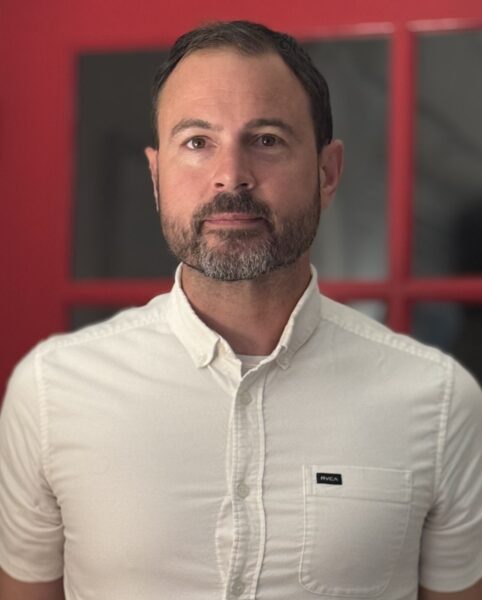 Nick Shrubsole is an Associate Lecturer in Humanities, Religion and Cultural Studies at the University of Central Florida. He is chair of the Status Committee for People with Disabilities in their Professions at the AAR. Nick is a legally blind person who has lived with a visual impairment for most of his life. His primary research area is in law and religion, author of What Has No Place, Remains: The Challenges for Indigenous Religious Freedom in Canada Today (University of Toronto Press, 2019). More recently, he is interested in exploring the scholarship and the practice of the value of disability perspectives in the higher ed classroom.
Related Webinars
WebinAAR
August 13, 2026
Polling Religious Groups in the U.S. (Recording)
Enjoy this webinAAR recording addressing some of the methodological challenges of polling religious groups in the U.S.
WebinAAR
June 22, 2026
Graduate Training in Religious Studies and Community-based Interfaith Dialogue Work (Recording)
This panel presents four different perspectives from engaged scholars of religion whose collective experiences in the USA and beyond demonstrate how graduates in religious studies can contribute to improved interreligious/interfaith relations in various professional contexts.
WebinAAR
June 22, 2026
Towards New “Guidelines on Faculty Employment Practices In Religious Studies” (Recording)
Expanding on Standards Pertaining to Contingent Faculty in the Study of Religion Board Statement (2015) and addressing current circumstances of academic labor at a time when tenure-track appointments are no longer the norm, this webinaar features a discussion around new guidelines, drafted by Minjung Noh and the ALCF committee, that will be proposed to the AAR Board for adoption in November 2026.