
Economies
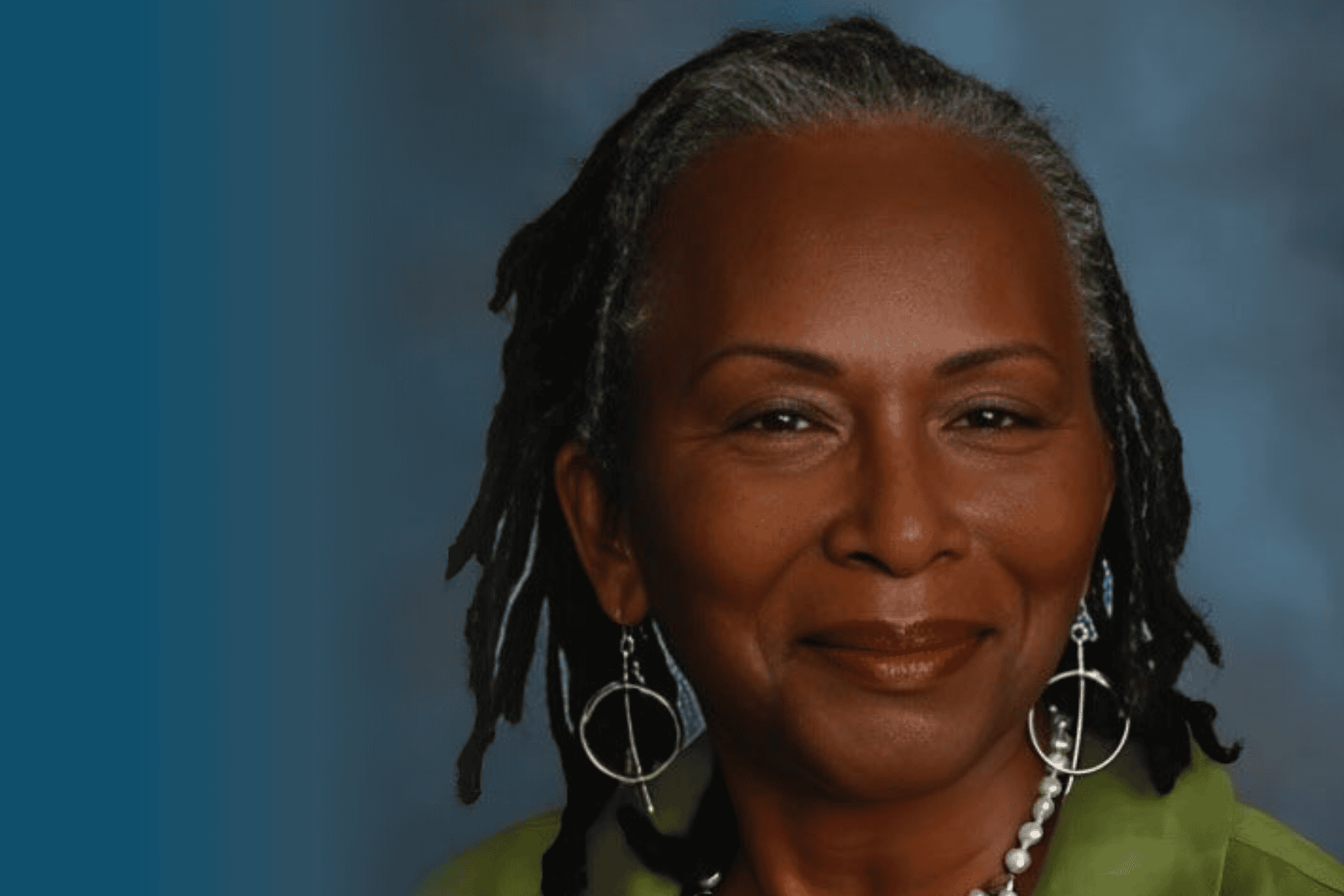
Angela D. Sims, 2027 AAR President
Last time we met in Washington, D.C., Madeleine Albright, the country’s chief diplomat and foreign affairs advisor spoke at our meeting about the importance of religious studies/theology for understanding political crises in terms of national security. Twenty years later we return to DC and the crises are worse. As we witness a dismantling of humanities and social science departments and majors in the United States, a rise in authoritarianism in many countries, and a projected catastrophic, dramatic, and tsunami-like shift in how economies operate given the rise of AI, religious studies scholars still have something really important to offer. With a membership representing 70 countries, my AAR presidential theme “Economies” proposes that we explore the complex situation we live in with an understanding of economic realities – just as Bad Bunny offered a cultural critique of the systemic economic injustices imposed upon Puerto Rico during the 2026 Super Bowl halftime show – from within our diverse fields of study, methodologies, pedagogies, research paradigms, etc.
Attentive to our guild’s international membership demographics; the political and economic hostilities that have driven the rapid restructuring of United Stated higher education as it relates to international students, civil rights, and issues of free speech and academic freedom; and the realities of an interconnected global society, AAR members are well positioned to understand and explain how economic histories, shifts, and structures influence the history, present, and future of a globally connected society. I invite us to do just that, by asking questions such as, a) what are economies, how do they operate, and for whom are they designed to benefit?; b) how have religion and exchange intertwined across time and tradition?; c) how do structural inequalities and belief systems inform an understanding of democracy?; d) how does religion shape economic development?; and e) what do moral and political choices convey about economies?
Given advances in AI, decreased research funding and humanitarian aid, and an erosion of civil and human rights, how might an exploration of economies – cooperative, educational, financial, gender, market, political, racial, religious, social, and technological – contribute to advancing AAR’s mission “to foster excellence in the academic study of religion and enhance a public understanding of religion”?