
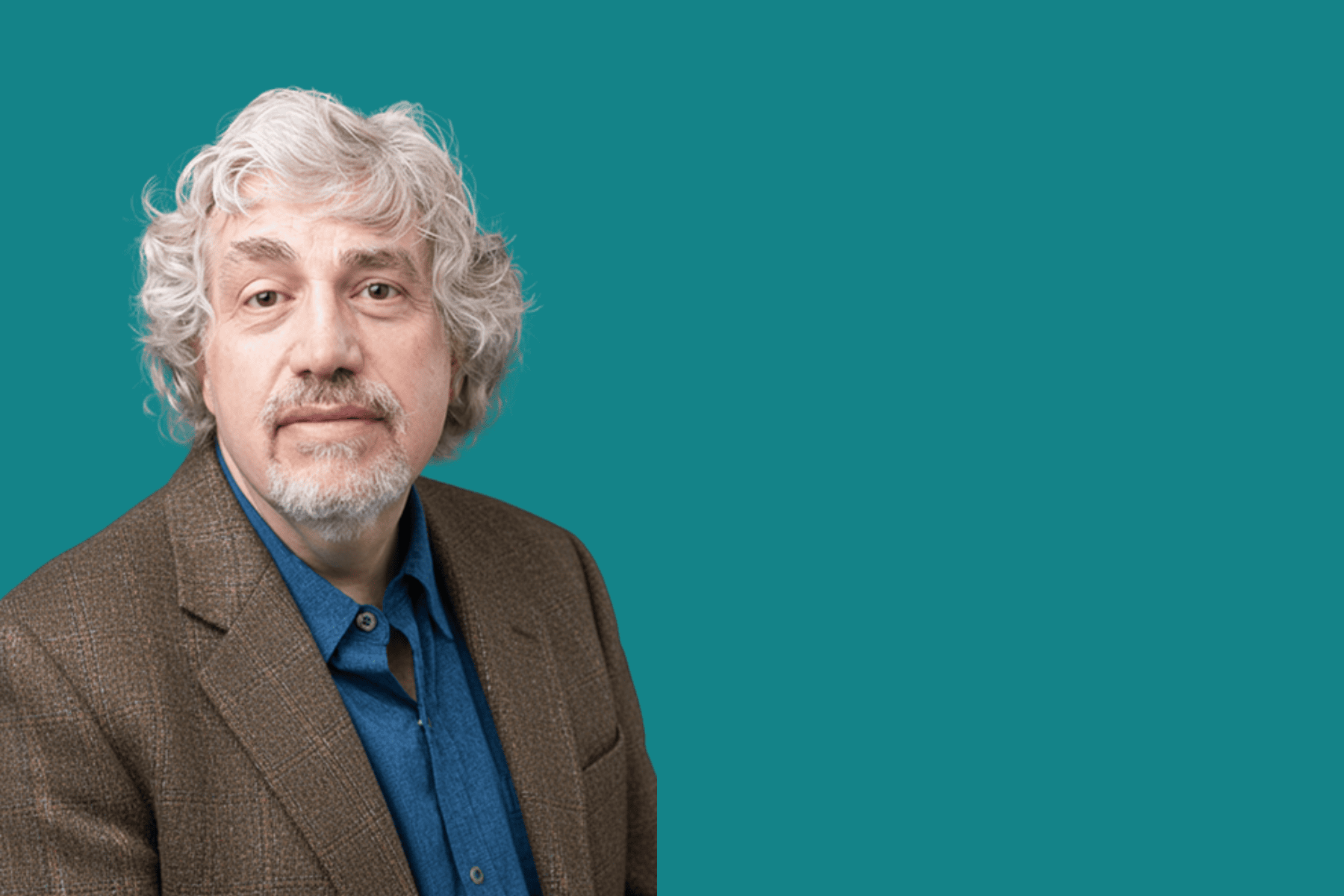
We regularly spotlight members who are making waves in their departments, institutions, communities, or within AAR. If you would like to submit a member to be interviewed, please email communications@aarweb.org with the member’s name and a brief message on why they are a good candidate. Read more of our Member Spotlight interviews.
About Randall
Currently serving as co-chair of the American Academy of Religion’s Artificial Intelligence and Religion program unit, Randall Reed’s recent research explores how technology influences religious institutions and culture in general. He has published extensively on topics ranging from biblical studies to the future of religion and AI. His current work examines religious implications of AI, including studies on GPT-2, theory of AI and religion, Digital Jesus, and home AI devices. His most recent book (co-author Tracy Trothen), Understanding Artificial Intelligence: Meaning Making in the Digital Age (Routledge 2026), looks at the way AI is becoming a central part of our culture, reframing our understanding of areas from art to relationships to education to conceptions of work. At Appalachian State, he was the 2024 College of Arts and Sciences Tenure Track Teacher of the Year and he leads undergraduate research groups exploring the intersection of technology and religion while maintaining an engaging teaching presence.
What is your area of expertise or field of study?
I am a sociologist of religion who is working on religion and technology, specifically religion and AI. I am fascinated by the way that religious studies gives us the tools to understand how AI is being understood in our society. There are, of course, religious groups using AI and even starting to consider the religious status of AI. But more importantly from my perspective is that human beings have had discourse with non-material beings for eons; we often call that “religion” and thus it is religious studies that is ideally positioned to examine the way AI influences humans, whether explicitly religious or not.
Why did you get involved with AAR and how is your work aligned?
I have been coming to AAR/SBL since I was an undergraduate. AAR has always been a place where I could learn something new and find other people to talk to about the things I’m interested in.
What is your favorite AAR member benefit, and how has it helped your career?
AAR has always been about the ability to connect to other scholars for me. Sometimes it’s through their work in JAAR, but more often it’s through paper panels or conversations at the AAR Annual Meeting. My last two books have been the result of connections that have been forged with fellow scholars with whom I connected through research seminars and units in the AAR. I had my preliminary interview for my position during the Annual Meeting and almost every thing I have ever written started out as a presentation at an AAR meeting, regional or national.
What is one piece of advice you’d give to a first-time Annual Meeting attendee?
Go broad, not narrow. Of course, you want to attend panels that touch on your research, but go to a couple of others that are not related just to see what else is happening. A lot of times you will discover connections that you had never thought of. And of course, make sure you schedule enough time for the book room.
What book is on your nightstand that you’re reading or intend to read in the future?
I alway read fiction before I go to sleep; I like to immerse myself in another world that has different cares and concerns to this one. I’m a big science-fiction fan (no surprise) and I am currently reading Adrian Tchaikovsky’s Dogs of War series. A story about what happens when humans create beings that exceed us and how we and they make our world together.
What do you enjoy doing outside of work?
For the past couple years I have been playing the ukulele. I dream that in retirement (which is still some years away), I might play it on street corners in foreign places and see much of the world.