End of Summer Reading List
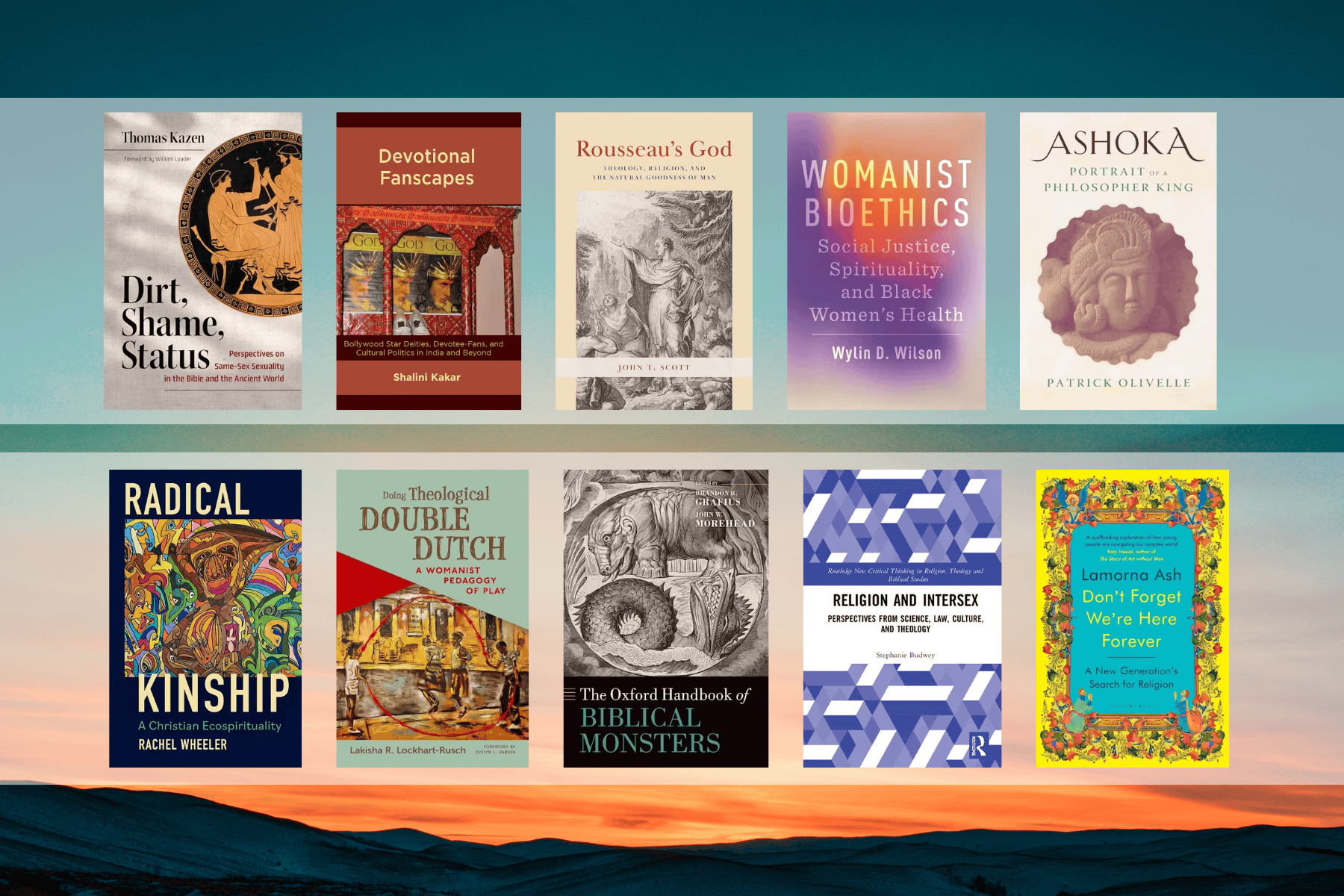
Some Suggested Titles from AAR's Reading Religion
Reading Religion is an openly accessible book review website published by the American Academy of Religion. The site provides up-to-date coverage of scholarly publishing in religious studies, reviewed by scholars with special interest and/or expertise in the relevant subfields. Reviews aim to be concise, comprehensive, and timely.
Below, the editors of Reading Religion have selected some books and reviews from the site and have shared some titles available to review. If you’re interested in reviewing books for Reading Religion, take a look at the guidelines. If there are any books missing from the Reading Religion site that you think should be there, email readingreligion@aarweb.org.
Reviews to Read
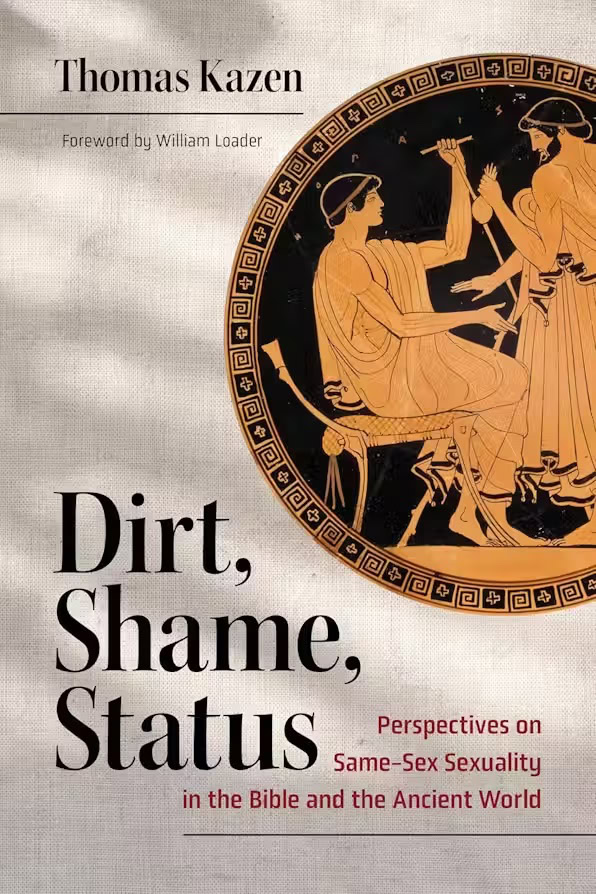
Dirt, Shame, Status: Perspectives on Same-Sex Sexuality in the Bible and the Ancient World
By Thomas Kazen
From the review:
“There is much to praise about this slim volume. It covers a wide variety of ancient evidence, engages in interdisciplinary study of human sexuality, and offers readers a variety of supplementary resources, including a website with helpful images and an annotated list of further reading.” - Kelsi Morrison-Atkins.
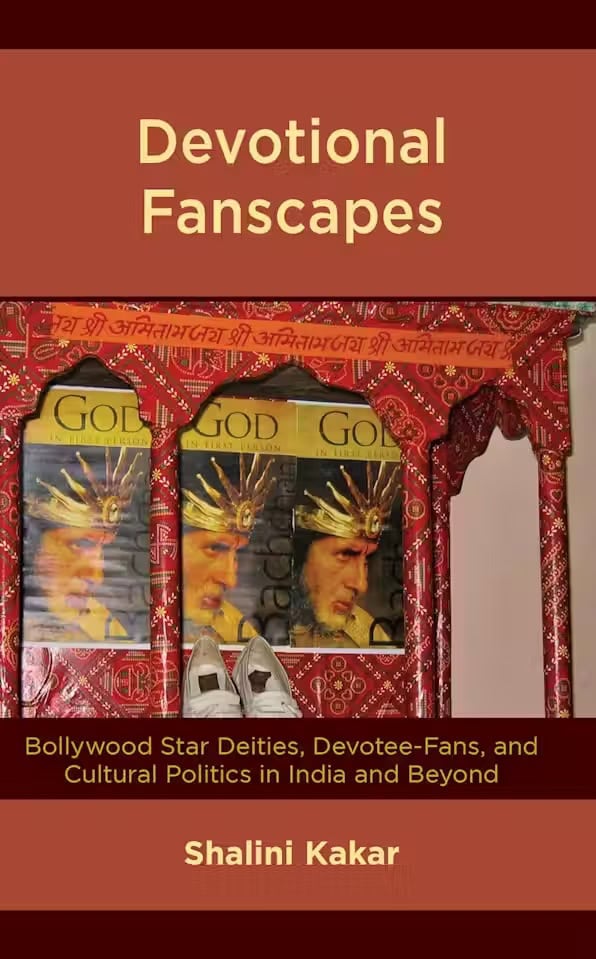
Devotional Fanscapes: Bollywood Star Deities, Devotee-Fans, and Cultural Politics in India and Beyond
By Shalini Kakar
From the review:
“An ambitious book, Devotional Fanscapes attempts . . . to carve out a space for the fan and their divinized star within the larger study of visual and religious cultures in South Asia.” – Manasvin Rajagopalan
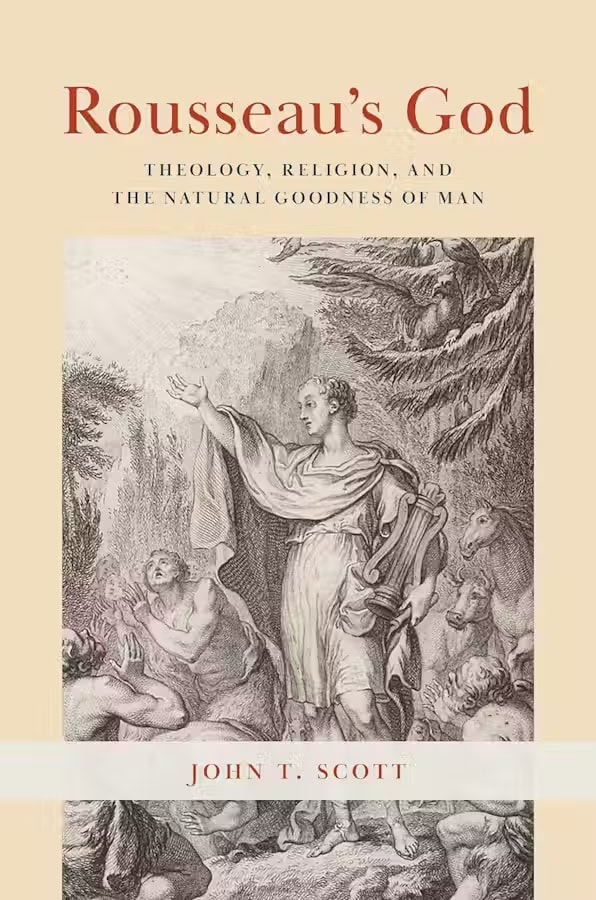
Rousseau's God: Theology, Religion, and the Natural Goodness of Man
By John T. Scott
From the review:
“Rather than dismissing Rousseau’s God as a rhetorical flourish or Enlightenment placeholder, Scott takes him seriously—and patiently—on his own terms. The result is one of the finest studies of Rousseau in decades.” – James C. Ungureanu
Womanist Bioethics: Social Justice, Spirituality, and Black Women's Health
By Wylin D. Wilson
From the review:
“Ultimately, the greatest strength of Wilson’s book is that it is suited to our current moment, when public advocacy and systemic reforms are needed. . . . And Womanist Bioethics provides a roadmap for bioethics to meet the moment.” — Kathryn A. Freeman
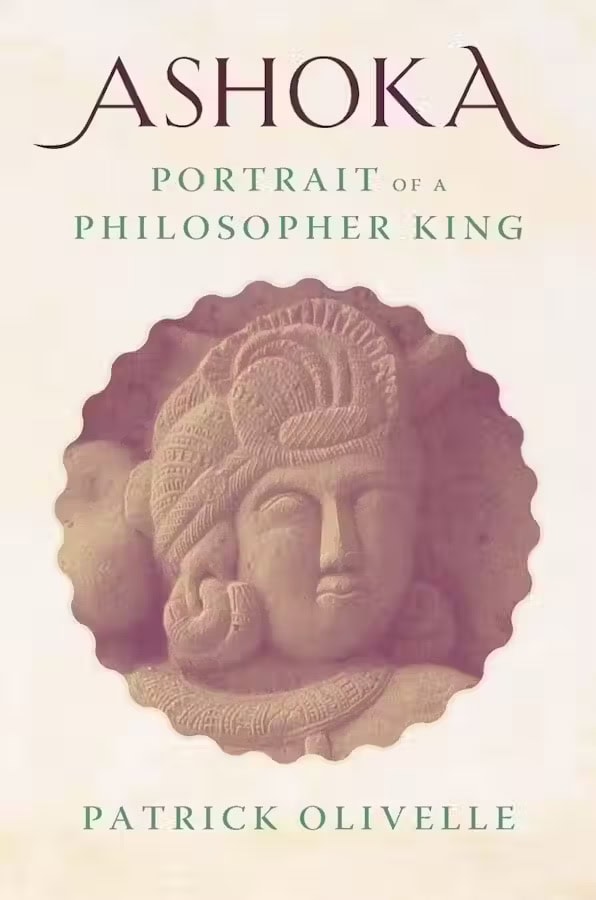
Ashoka: Portrait of a Philosopher King
By Patrick Olivelle
From the review:
“. . . Olivelle invites rather than closes debate and offers more of a provocation than a definitive account. In this way, he mirrors Ashoka’s own strategy: to plant seeds rather than dictate doctrine.” – Patrick Horn
Available for Review
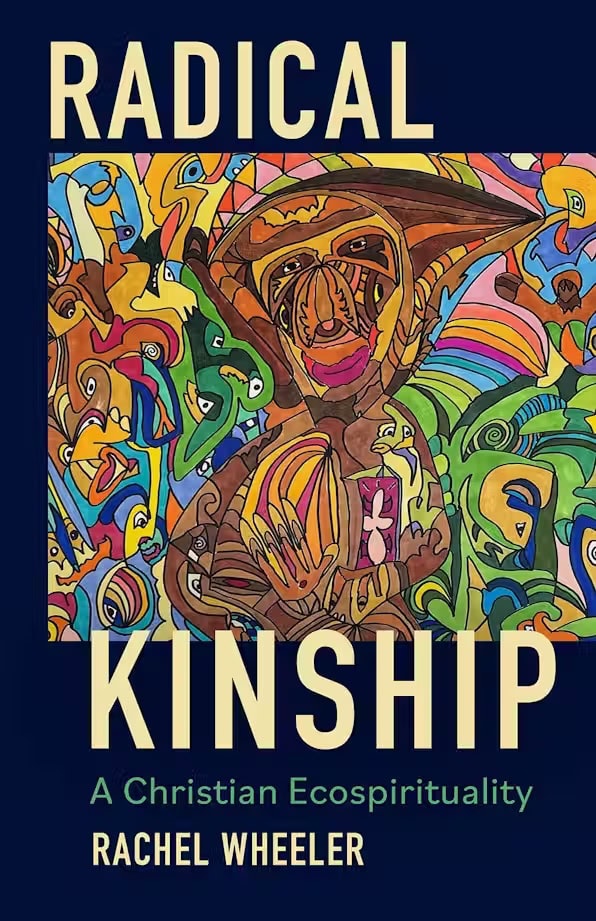
Radical Kinship: A Christian Ecospirituality
By Philip P. Arnold
From the publisher:
“What does it mean to live in harmony with all of God's creation? How might our spiritual practice contribute to the healing of this place we call home, and to our own healing along the way? Rachel Wheeler offers compelling testimony for the value — and the life-giving power — of "rewilding." For conservationists, rewilding is a strategy of human restraint, of letting the wild enact ecological repair on its own terms. The "wild" is a quality of life beyond the control of the human. For Christians, a rewilding spirituality restores the life-generating and life-sustaining norms in which we were created to dwell.
Radical Kinship: A Christian Ecospirituality provides readers with both theoretical foundations for understanding a rewilded Christian spirituality for the twenty-first century and practical strategies for rewilding our own lives. Wheeler brings biblical foundations and the history of Christian spirituality into conversation with environmental ethics, ecopsychology, and ecopoetics. The frameworks she constructs bring Christian spiritual tradition back to its deepest foundations not only as a product of human culture, but as one shaped in large part by Christians in relationship with other-than-human members of the Earth community."
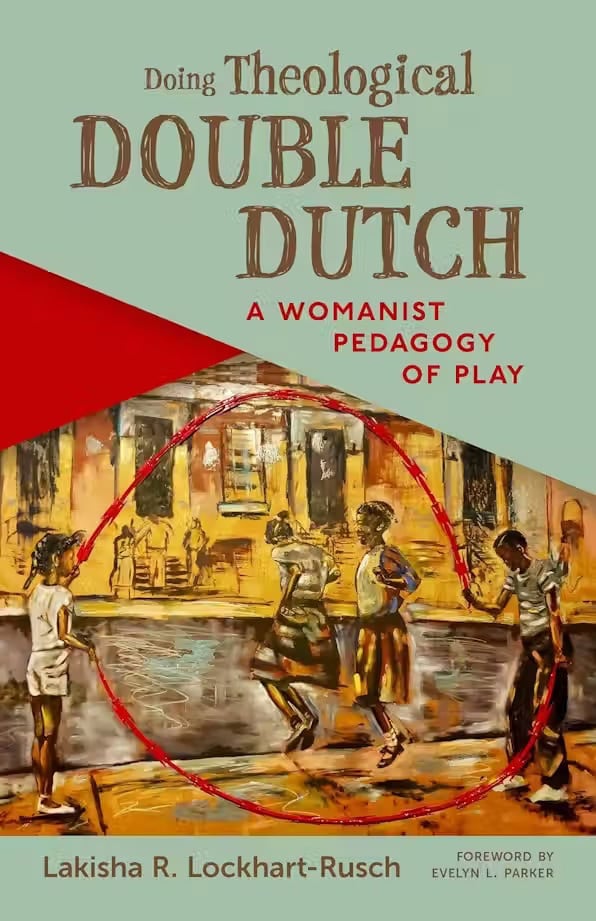
Doing Theological Double Dutch: A Womanist Pedagogy of Play
By Lakisha R. Lockhart-Rusch
From the publisher:
“In this remarkably innovative book, Lakisha R. Lockhart-Rusch offers a fresh vision for theological education rooted in the embodied insights of Black women. Acknowledging the historical reality that play has often been a privilege reserved for those in power, Lockhart-Rusch shows how play has nonetheless functioned as a hidden space of agency, healing, and resistance for Black women. Using the game of Double Dutch as an extended metaphor, she demonstrates how a womanist pedagogy of play offers a transformative encounter with the love of self and of God for students from all backgrounds. Coupling theory with practical tools, this book equips theological educators to teach across difference for the liberation of all.”
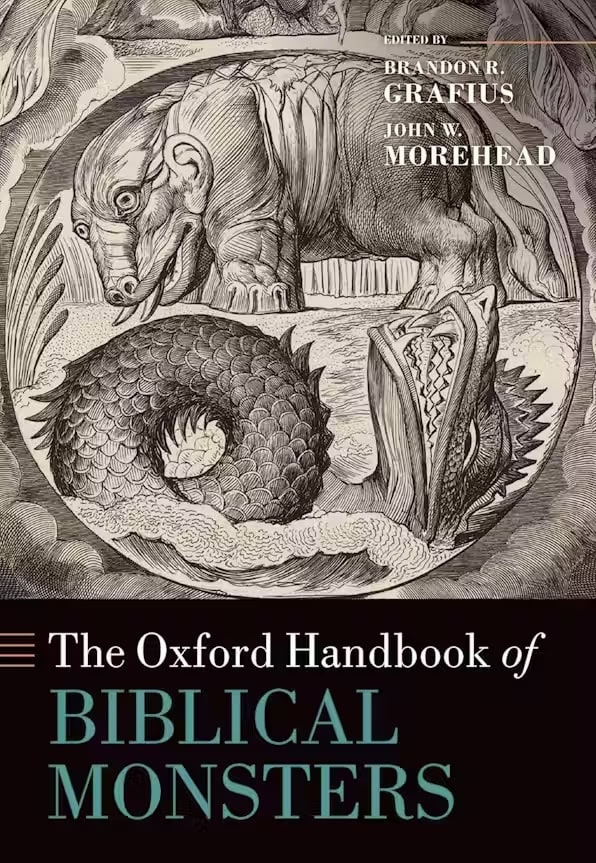
The Oxford Handbook of Biblical Monsters
Edited by Brandon R. Grafius and John W. Morehead
From the publisher:
“The Oxford Handbook of Biblical Monsters brings together the work of world-renowned scholars in Bible, theology, religion, and cultural studies to explore the monsters that rampage through the biblical text. Essays provide in-depth analysis of the Ancient Near Eastern background of these creatures, explore how they have continued to live on after the biblical text, and discuss how they remain impactful through art and literature today. The chapters not only study where monsters came from, but continually focus on what they mean, and how these meanings are generated.
These chapters work to bridge the perspectives of traditional scholarship and more postmodern ideas of monsters as cultural and rhetorical constructions. There are chapters on the Ghosts of Mesopotamia, Leviathan, and the Giants, but also on the Monstrous Jew in the Gospels and the Monstrosity of the Crucifixion. They serve both as foundational pieces of research for scholars looking to familiarize themselves with monsters and discourses of monstrosity, but also as creative and provocative examinations of how these monsters generate meaning. While working to summarize the research that has been done on biblical monsters up to the present day, this Handbook points the way forward towards new and exciting studies in unnatural creatures and the rhetoric of horror.”
Religion and Intersex: Perspectives from Science, Law, Culture, and Theology
By Stephanie A. Budwey
From the publisher:
“This book considers the situation of intersex people who have faced erasure in the areas of science, law, culture, and theology due to the assumption that all humans are either ‘female’ or ‘male.’
Centered in interviews conducted with German intersex Christians, this book argues that moving from a paradigm of sexual dimorphism to sexual polymorphism will help promote the full humanity and flourishing of intersex people by creating a world where intersex individuals are no longer coerced and/or forced to undergo non-consensual, medically unnecessary treatment, no longer experience human rights violations because of their lack of legal protection, no longer feel inhuman and Other due to epistemic injustice that stems from socio-cultural norms and stereotypes, are no longer told they are not made in God’s image as a result of a sexually dimorphic understanding of Genesis 1:27, and no longer feel excluded and invisible in worship services that do not recognize them.
This combination of the practical and the spiritual allows for a reconsideration of the medical treatment and pastoral care that should be available to intersex people. This book will be helpful to those in the disciplines of science, law, culture, and theology, particularly those in gender and theological studies and those already in and studying for lay and ordained ministry.”
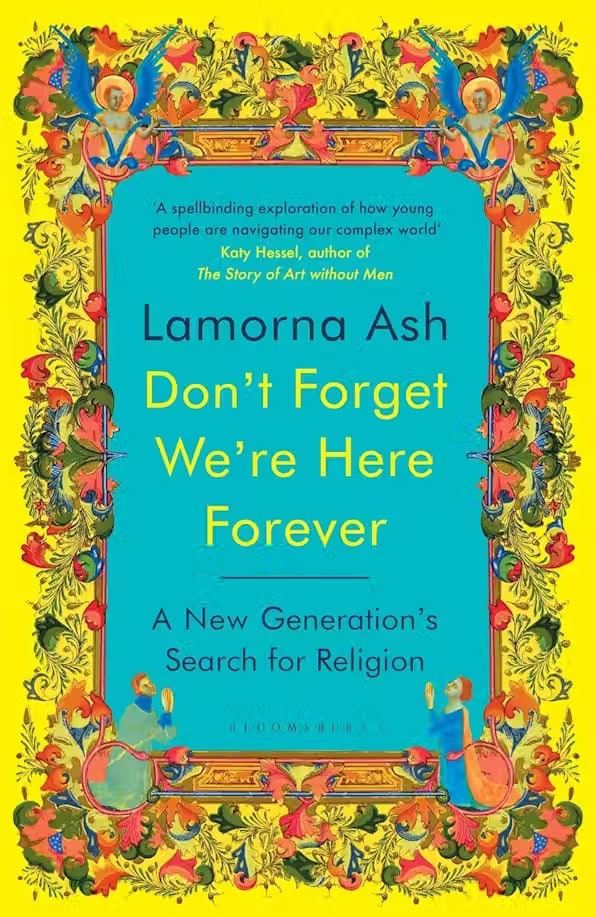
Don't Forget We're Here Forever: A New Generation's Search for Religion
By Lamorna Ash
From the publisher:
"Why are young people in Britain today turning to faith in our age of uncertainty?
Lamorna Ash was raised with about as much Christianity as most people in Britain these days: a basic knowledge of hymns and prayers received via a Church of England primary school education; occasional brushes with religious services. But once she started writing about her two friends' unexpected conversions, she began encountering a recurring phenomenon: in an age of disconnection and apathy, a new generation was discovering religion for itself.
In Don't Forget We're Here Forever, Ash embarks on a journey across Britain to meet those wrestling with Christianity today. Through interviews and her own deeply personal journey with religion, and from Evangelical youth festivals to Quaker meetings, a silent Jesuit retreat along the Welsh coastline to a monastic community in the Inner Hebrides, she investigates what is driving Gen Z today to embrace Christianity. Written with lyrical beauty and sensitivity, this is a reminder of our universal need for nourishment of the soul."