

2026 Journalism Award Winners
The American Academy of Religion, the world’s largest association of academics who research or teach topics related to religion, announces the winners of its 2026 awards for the best in-depth reporting on religion. Awards are given in two categories: Best In-Depth Newswriting and Best In-Depth Multimedia Journalism.
Best In-Depth Newswriting
This year’s recipients submitted up to three news articles, columns, editorials, and other reporting in any published medium of any audience or market size published in the calendar year 2025.
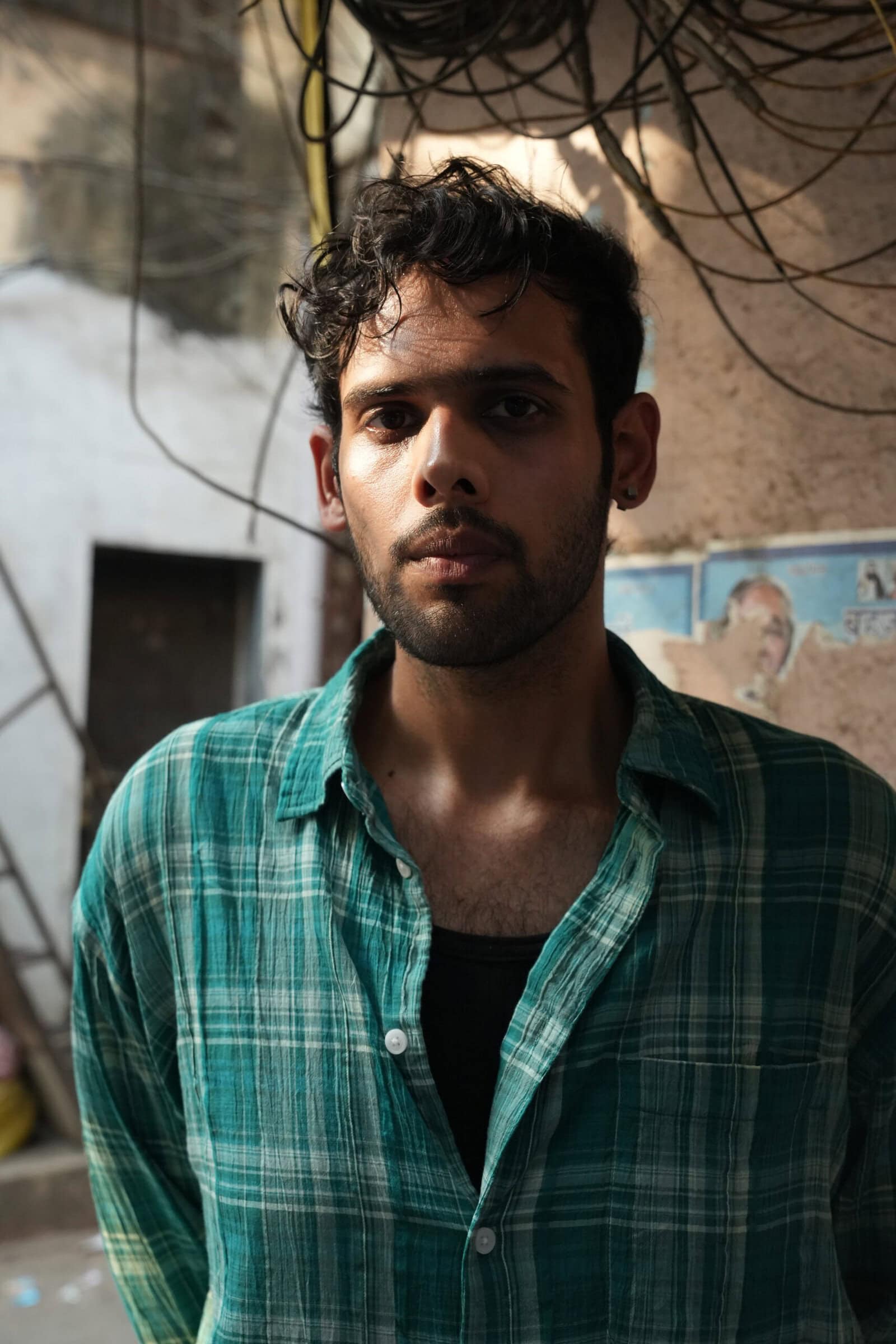
First Place
Anuj Behal
Example of Award-Winning Work: "The Machinery of Muslim Erasure in Modi's India"
Behal’s first place article was part of a series focusing on the operations and impacts of Hindu Nationalism in India. This piece focused on the role of the bulldozer in India, as used to demolish Muslim homes, businesses, and sacred places. Behal draws on scholarship and surveys current events while grounding the piece in personal narrative of impacted individuals. His piece explores the bulldozer as both a celebrated — even sacralized — symbol in Indian independence parades to assert Hindu supremacy, and as an instrument driving literal Indian Muslim erasure.
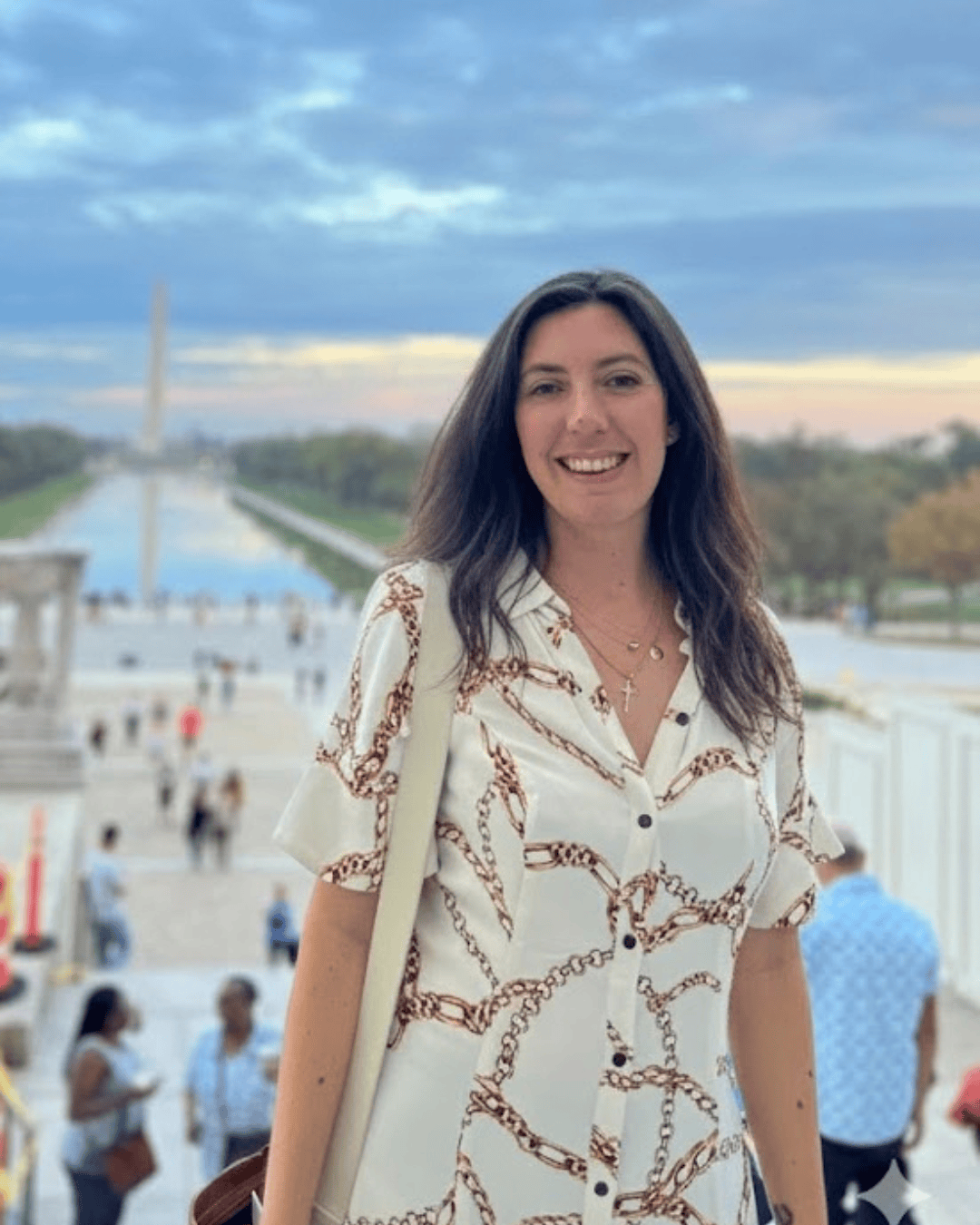
Second Place
Lauren Barbato
Example of Award-Winning Work: "The Nun Who Chose Abortion Over Her Vows"
Barbato won second place for her submission recounting the 1983 conflict surrounding Sister Agnes Mary Mansour, a Sisters of Mercy nun and Michigan public official who faced expulsion from religious life after refusing to resign from a state position overseeing Medicaid funding for abortion services. The essay situates Mansour’s case within broader struggles over gender, authority, healthcare, and reproductive justice in the post–Second Vatican II Catholic Church, highlighting tensions between activist women religious and the growing authority of U.S. bishops over Catholic healthcare and public moral discourse. The jury especially appreciated the depth of research and historical analysis reflected in the piece, as well as the way it used one individual’s story to illuminate broader debates and internal dynamism within Catholic approaches to sexuality and gender during this period.
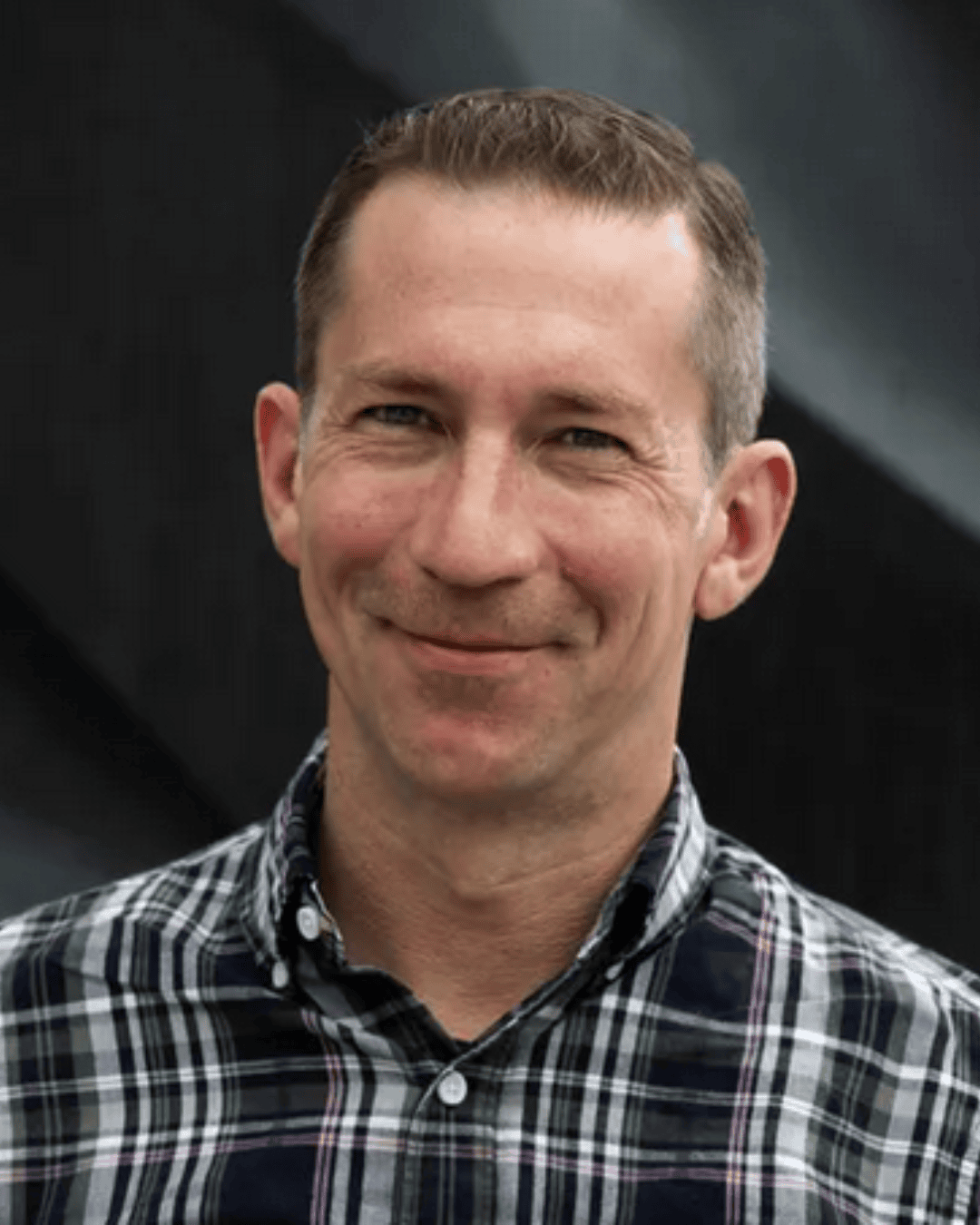
Third Place
Brendan Kiley
Example of Award-Winning Work: "Ancient WA Tribal Stories Still Hold Powerful Truths For Us All"
Kiley won third place for his article exploring how Indigenous storytelling traditions in the Pacific Northwest preserve ecological knowledge, ethical wisdom, and collective memory across generations. The piece argues that these stories are not relics of the past but living teachings that continue to shape relationships to land, community, responsibility, and survival in the present day. The jury especially appreciated the lyricism of the essay, its insight into the role of “deep stories” in shaping societies and moral imagination, and Kiley’s thoughtful attentiveness to his own positionality within the narrative.
Best In-Depth Multimedia Journalism
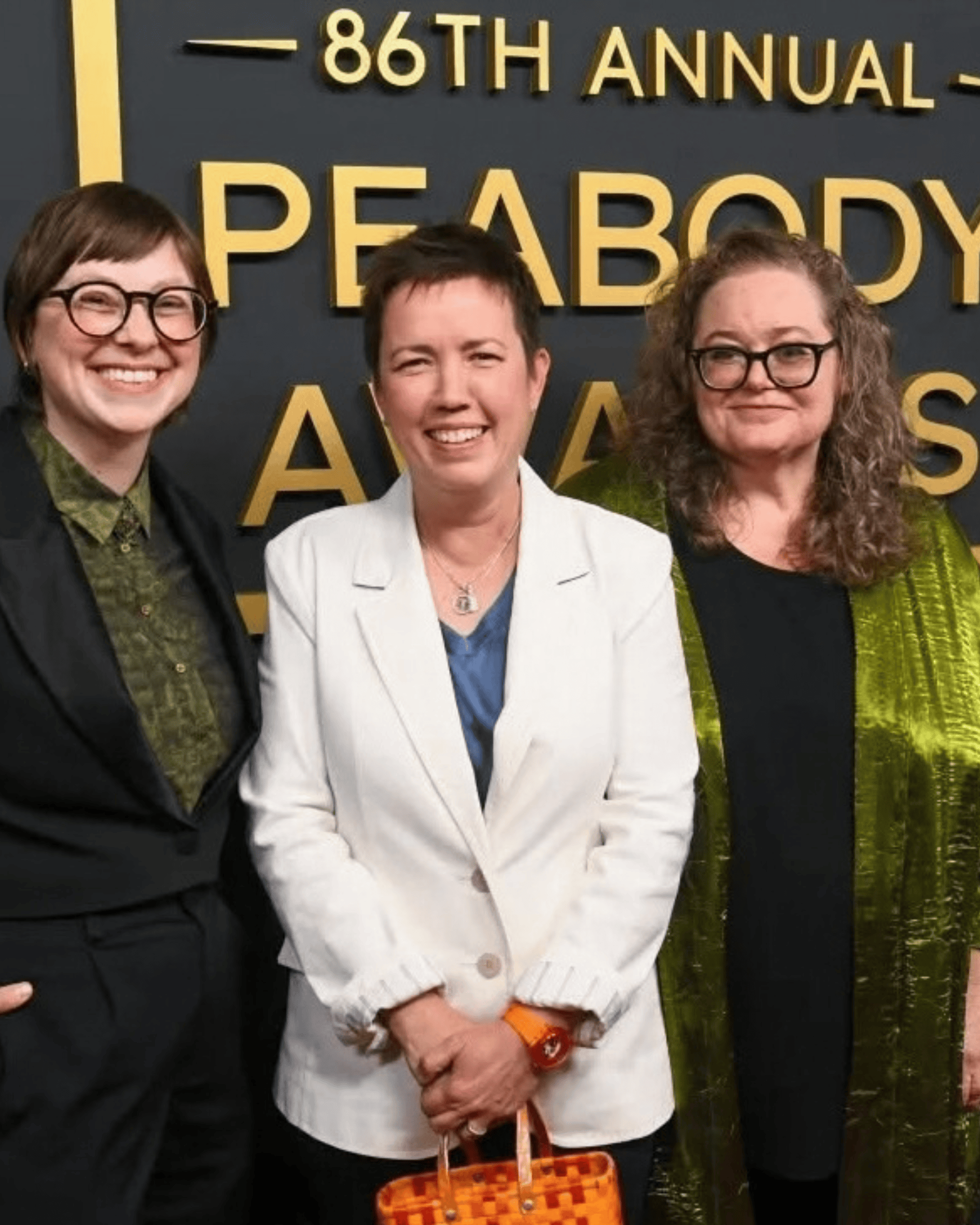
(Lynn Gerber pictured right)
Winner
Lynne Gerber
Example of Award-Winning Work: “Friends of Fire,”When We All Get to Heaven
Lynne Gerber’s ten-part documentary podcast series When We All Get to Heaven, particularly episode 4, “Friends of Fire” won this year’s Multimedia prize. The series tells the story of the Metropolitan Community Church of San Francisco, one of the first LGBTQ-affirming churches in the United States, and its response to the AIDS epidemic during the 1980s and 1990s, during which approximately 500 members of the congregation died. Drawing on an archive of 1,200 cassette recordings from the church community, the series offers an intimate portrait of grief, resilience, faith, and queer community amid profound social and political crisis. The jury especially appreciated the depth of archival and historical research represented in the project, its compelling storytelling across episodes, the integration of original audio material that brought the narrative vividly to life, and its careful attentiveness to intersecting issues of race. The jury found the series not only reflective of rigorous historical scholarship, but also deeply moving, accessible, and captivating for a broad public audience.