
About the Event
Hosted by AAR’s Energy, Extraction, and Religion Seminar
The Energy, Extraction, and Religion Seminar (EER) invites scholars, advocates, and the public to a panel conversation about religion, energy, water, and extractive imaginaries. With an all-star team of presenters, we’ll discuss issues such as AI’s consumption of water and energy; the political economies that undergird extraction; religious/theological spandrels of contemporary technological fervor; and frontline advocacy, including coalitions that are responding to environmental and economic injustice. As part of the AAR Fall Scholarship Series, all are welcome to join this timely and crucial conversation about how extractive paradigms function in the current moment and what can be done.
AAR Fall Scholarship Series is a webinAAR series that will highlight the scholarship coming from our varied AAR program units. This series — part of our larger year-round programming initiative — aims to bring the scholarship of our program units to the wider AAR membership and make it accessible outside of the Annual Meeting. These webinAARs will run from late September up until the in-person Annual Meeting in November.
Event Guidelines
Please note: AAR membership is not required to register for this event. In order to register, you will need to login or create an account if you don’t already have one. Creating an account is free, quick and easy and enables us to let you know about related upcoming events.
For assistance, please view our video walkthrough. You can adjust the playback speed on the video next to the closed caption icon. If you still have questions, please contact us.
Panelists
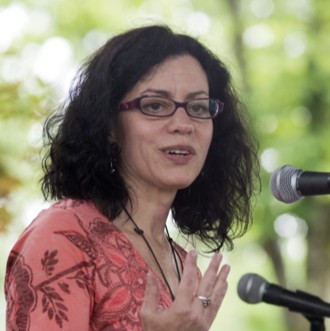
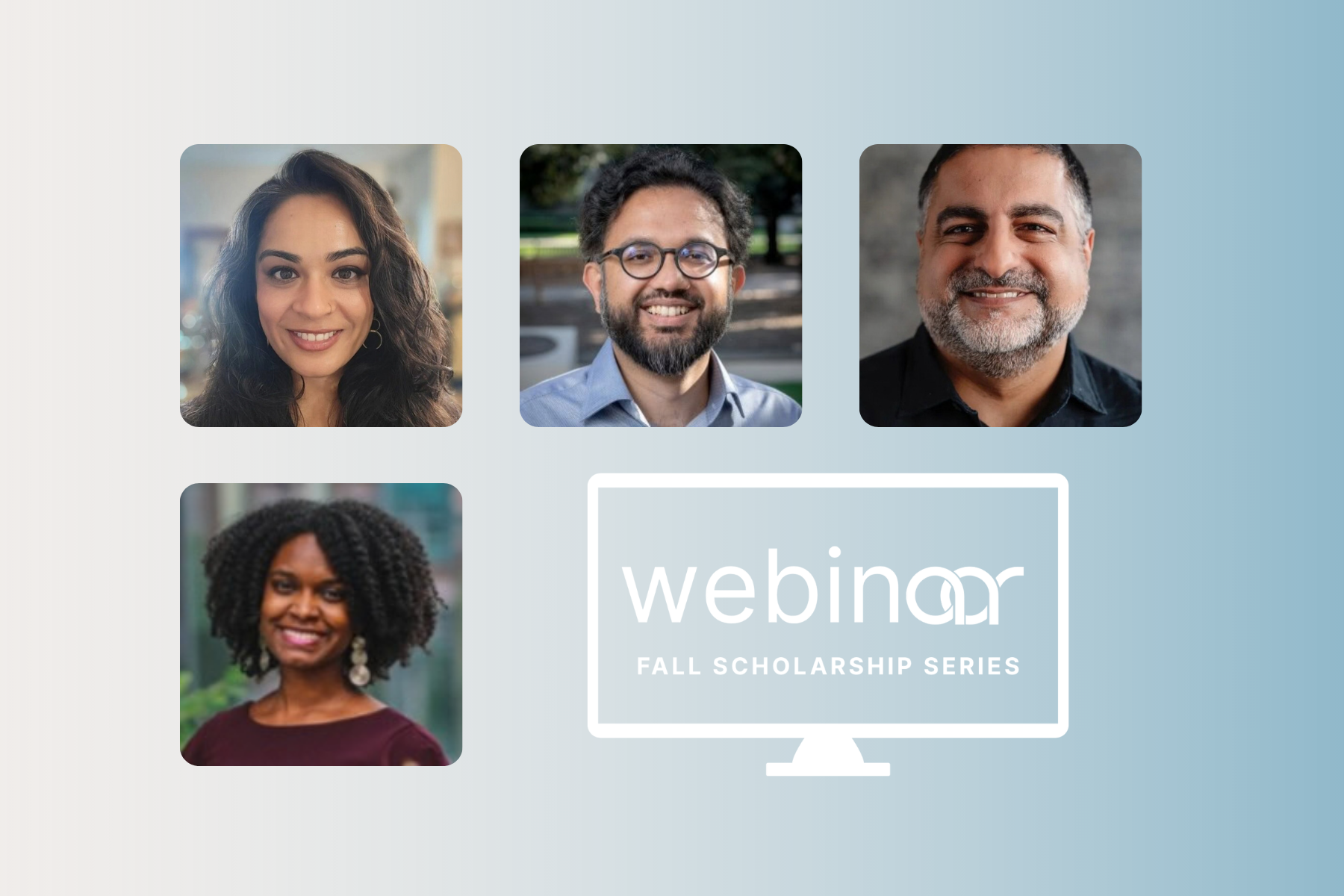
Lisa Sideris, PhD, is Professor of Environmental Studies and Religion at UC Santa Barbara and the author of many books and articles, including her influential text, Consecrating Science: Wonder, Knowledge, and the Natural World (2017). Her current work on theological-technological illiberalisms can be found here. Sideris is a founding steering committee member of the EER seminar.
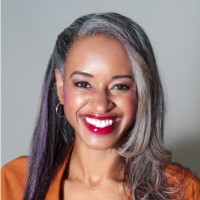 Lindsay Harper, MBA, is Deputy Director of The People’s Justice Council and leads the PJC’s MinusAI Campaign. Harper has also served executive director of Georgia WAND Education Fund Inc., a grassroots, women-led, multiracial organization bridging the rural/urban divide, advancing environmental and climate justice.
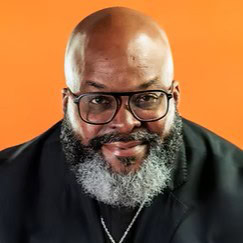
Michael Malcom, MDiv, MBA, is Executive Director of The People’s Justice Council, a nonprofit organization focused on environmental and climate justice. An ordained United Church of Christ Minister, Rev. Malcom serves as the Environmental Justice Minister for the Southeast Conference of the United Church of Christ and is co-author (with rev. dr. abby mohaupt) of Climate Justice, Climate Hope (2025).
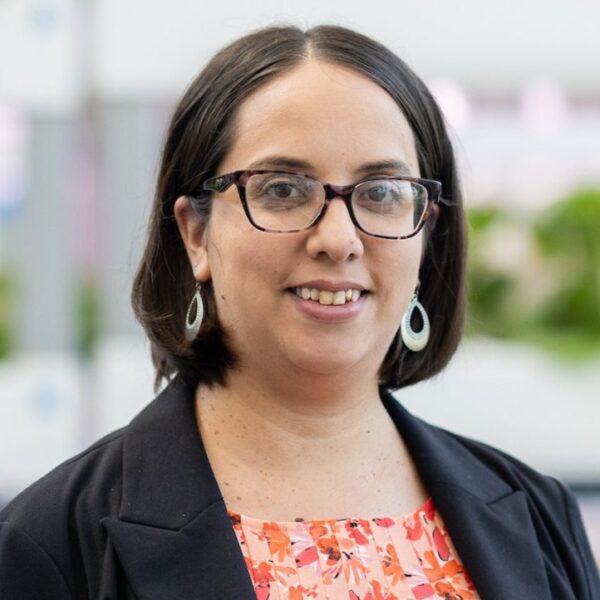 Malini Suchak, PhD, is Dean of the School of Environmental Sustainability at Loyola University Chicago. Previously she was professor and chair of the Animal Behavior, Ecology, and Conservation department at Canisius University in Buffalo, NY, where she was also a community organizer around food justice.
Nick Bowlin is a journalist who covers extraction in Oklahoma and Texas for ProPublica and The Frontier. Previously he was contributing editor for High Country News. His bylines include Harper’s, The Guardian, Politico, The Drift, and more. Bowlin’s 2024 story on the battery metals mining boom for The Drift received several awards of recognition.
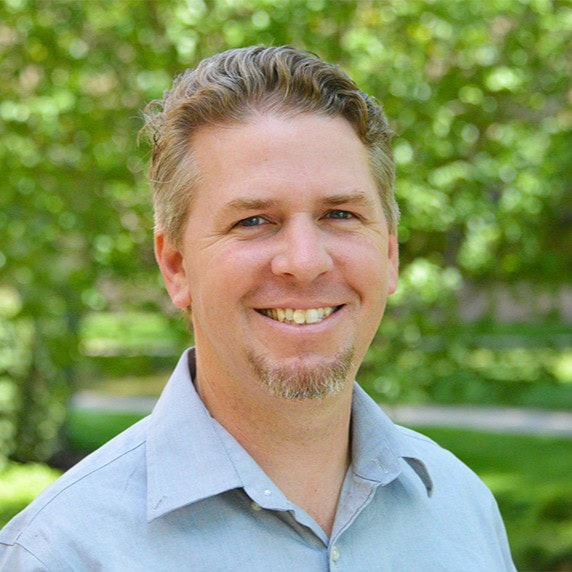
Ryan Juskus, PhD, is Assistant Professor of the Practice and faculty director of NDBridge at the Institute for Social Concerns at the University of Notre Dame. A member of the EER seminar, Juskus is active in the multifaith organization We Make Indiana, which aims to establish fairer agreements between data center owner-operators and local communities.
Moderator
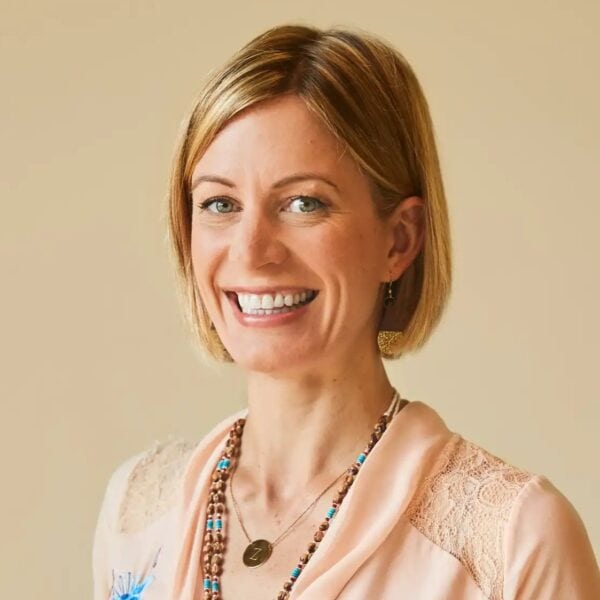
Christiana Zenner, PhD, is currently the Teilhard de Chardin Visiting Associate Professor at Loyola University Chicago. She is a founding steering committee member of the EER seminar and the author, most recently, of Beyond Laudato Si’: Ecotheology, Equitable Futures, and the Papal Turn to the Earth (2026) as well as the forthcoming book, Water for All: Building a Moral Economy (Nov. 2026).
Related Events
- « Previous
- 1
- 2